

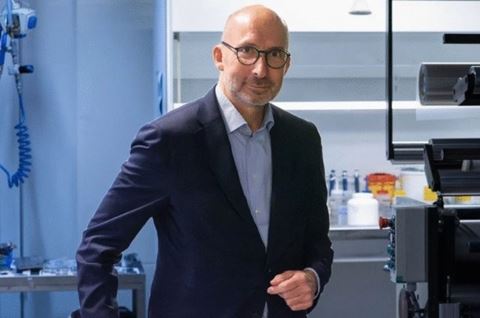
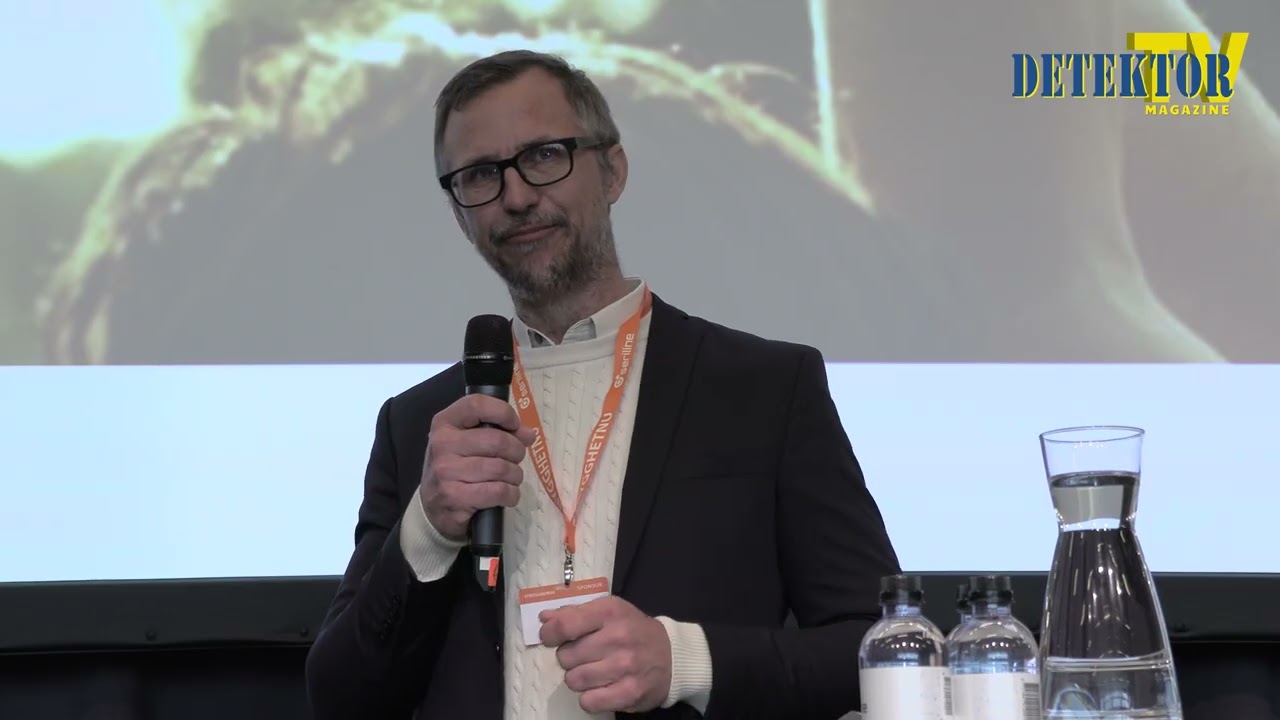
Robert Jansson, Director of Sales for the Nordics, Eastern Europe and South Africa at Stid Security, has worked in security and access control for nearly 30 years. With unwavering persistence, he has emphasised the importance of using technology based on open standards – and he has no plans to stop.
“An open access control system is built on standardised protocols and interfaces. It should easily integrate with other systems, such as video surveillance, alarms, lighting, and energy management,” he explains firmly.
“For smart buildings, this is a fundamental requirement: operations become more efficient, security is higher, and the entire system is easier to manage.”
Open standards – in Stid’s DNA
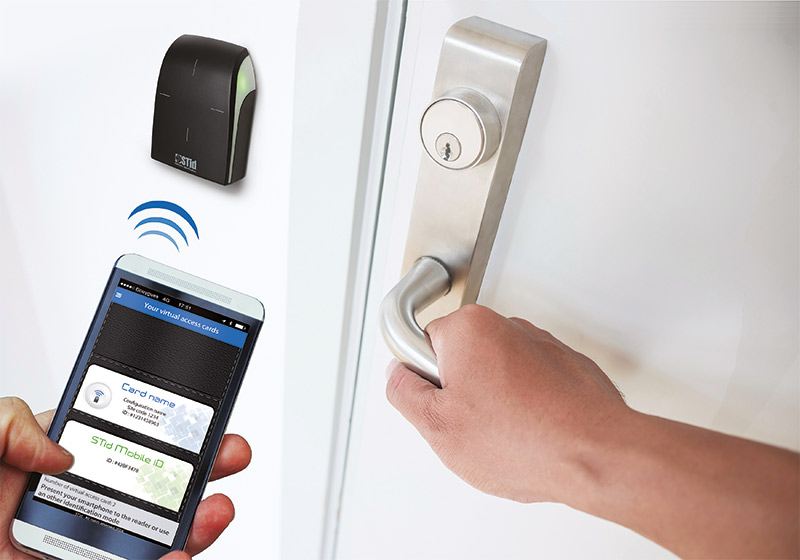
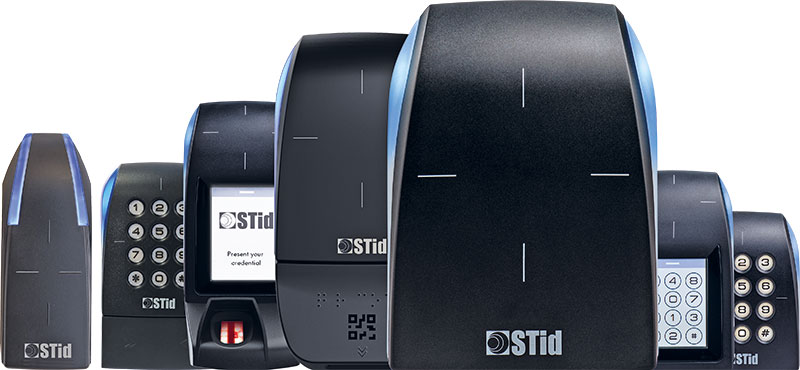
It’s no coincidence that Robert Jansson advocates so strongly for open technology. Stid has made openness part of its DNA. The company’s reader technology is built on standards such as OSDP, SSCP, and RFID/NFC, and can be easily integrated with other systems via API and SDK. This allows partners to develop tailored solutions for everything from access control to advanced applications.
“We practise what we preach and share our technology with players who want to use it. That’s the right path if the security industry’s solutions are to keep evolving with the times and with customers’ growing needs.”
Flexibility and scalability
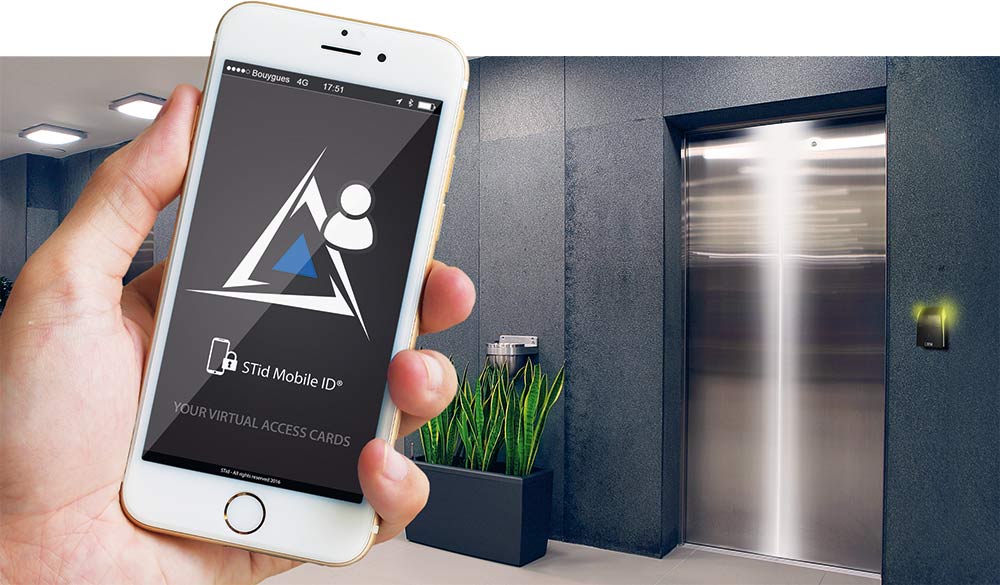
Another key advantage is flexibility. Technology evolves rapidly, and systems must be expandable and adaptable over time – without locking organisations into a single supplier.
“New functions and systems should be able to be added without replacing the entire infrastructure. That’s the only way to future-proof buildings,” says Robert Jansson.
Security in focus
The strongest argument for open platforms, however, is security. Cyber security threats are increasing, and regulations are tightening – making open systems a necessity.
“Security is a cornerstone of both smart buildings and cities. Given today’s threat landscape, there’s no sustainable future for proprietary systems. They quickly become insecure because technology develops too fast,” Jansson observes.
Working towards standardisation
Stid Security is also involved in the Smart Physical Access Control Alliance (SPAC Alliance), where leading players in physical and logical security collaborate to strengthen European infrastructure. The goal is to promote open, interoperable standards and certification within access control – for example, regarding encryption and biometric methods.
“With open systems, buildings can create a connected ecosystem where all components work together. That makes managing both operations and security significantly easier,” says Robert Jansson.
Secure card technology
An important aspect of access control systems is the reader technology itself – Stid’s area of expertise. Jansson emphasises that organisations should avoid older 125 kHz technology and instead use the globally established 13.56 MHz radio frequency for contactless communication, as used in modern RFID and NFC solutions.
“It enables fast data transfer, strong security, and encryption. The older 125 kHz technology should be avoided,” he advises. When it comes to secure cards, Jansson recommends Desfire EV3.
“If all security attributes are activated, Desfire EV3 provides maximum security. If not, security is compromised.”
Regulations driving change
The EU’s NIS2 Directive, the existing GDPR framework, and the upcoming Cyber Resilience Act (CRA) are putting increasing pressure on suppliers and organisations. Systems that handle sensitive data or are connected to critical infrastructure must be continuously updated and adaptable.
“Many existing access control systems will need to be replaced. That creates opportunities for suppliers who build their solutions on open standards,” says Robert Jansson.
The future is open
Robert Jansson is convinced that the security industry, too, is moving towards open technology platforms. The development of smart buildings and growing integration needs support this trend.
“Smart buildings require open systems. Without standardised, flexible, and secure platforms, it’s impossible to meet the increasing demands for integration, cybersecurity, and future-proofing,” he says, concluding:
“Proprietary systems belong to the past. The future is open.”














 Sverige