


As security threats evolve and organisational needs become more complex, the question isn’t just whether your access control system works – it’s whether it still fits your organisation’s current and future requirements.
“The reality is that many facility managers assume their existing access control technology is meeting their security needs simply because it’s still granting entry to authorised personnel,” says Jaroslav Barton, Director of Product Marketing, Physical Access Control, at HID.
“However, functional and optimal are two very different things, especially when it comes to security, compliance, and operational efficiency.”
Reassessing your access control foundation
For many organisations, the access control systems installed years ago were perfectly adequate for their needs at the time. These systems reliably controlled who could enter which areas and, for environments with basic security requirements, they may continue to serve that purpose effectively.
However, as organisations grow, face new regulatory requirements, or operate in environments where security is critical, the limitations of older access control technology become more apparent.
“Legacy systems that rely on basic proximity cards and outdated communication protocols may not provide the level of security, auditability, or integration capabilities that present-day organisations require,” Barton explains.
This distinction is particularly important for organisations handling sensitive data, operating in regulated industries, or managing facilities where unauthorised access could have serious consequences.
“In these environments, access control isn’t just about convenience – it’s a critical component of the overall security infrastructure.”
Three clear signs it’s time to upgrade
Jaroslav Barton highlights three key signs that it’s time to modernise your access control system:
- 1. Security requirements have outgrown your technology
If security is critical to your organisation’s operations, legacy access control technology may no longer provide adequate protection. Older systems that rely on unencrypted credentials and outdated protocols, such as Wiegand, were designed for a very different threat landscape than today’s.
Organisations handling sensitive data, operating in high-security environments, or managing facilities where unauthorised access could have serious consequences need systems that can withstand sophisticated attacks. This means encrypted credentials, secure communication between readers and controllers, and comprehensive audit trails.
The key question isn’t whether your current system has security flaws – it’s whether its vulnerabilities align with your organisation’s risk tolerance and security requirements. - 2. Keeping up with regulatory requirements
Regulatory frameworks across Europe are increasingly recognising the link between physical and digital security. The EU’s NIS2 Directive, which came into effect in October 2024, requires organisations in critical sectors to implement comprehensive cyber security measures – including assessments of their physical access control systems and supply chain security.
Similarly, the UK’s Govpass programme aims to replace the patchwork of different credentials government employees have historically carried with standardised, encrypted credentials. For the hundreds of UK departments and agencies that must comply with Govpass, this means upgrading legacy access control systems.
Beyond these initiatives, industry-specific regulations are also driving demand for more secure, auditable solutions. Organisations subject to these requirements need systems that provide detailed access logs and demonstrate sufficient security to ensure credentials cannot be easily duplicated or tampered with. - 3. Missing out on operational opportunities
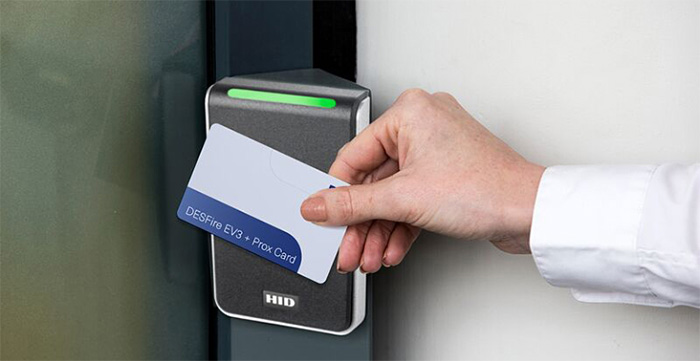
Legacy access control systems are often single-purpose tools in a multi-purpose world. Modern smart cards and mobile access solutions can do far more than just open doors – they can integrate with building automation systems, manage parking access, handle cafeteria payments, and even control printer usage.
By sticking with basic proximity cards, organisations not only accept security risks but also miss opportunities to streamline operations, reduce costs, and create a more seamless experience for employees and visitors.
Triggers for migration decisions
So, what typically prompts organisations to make the switch? Based on HID’s experience, Barton identifies and comments on five common scenarios that serve as eye-openers for end users to upgrade:
Security incidents
“Nothing motivates immediate action quite like discovering that someone gained unauthorised access to your facility or data. Organisations that experience a security breach often fast-track their migration plans, recognising that their system wasn’t protecting them as well as it should have,” Barton says.
Proactive security assessments
“Forward-thinking organisations don’t wait for a breach to reveal weaknesses,” Barton notes. “Regular security audits and risk assessments can uncover outdated technologies that no longer meet today’s threat landscape. By identifying vulnerabilities early, these organisations can plan upgrades on their own terms—rather than reacting under pressure after an incident.”
User-driven demand
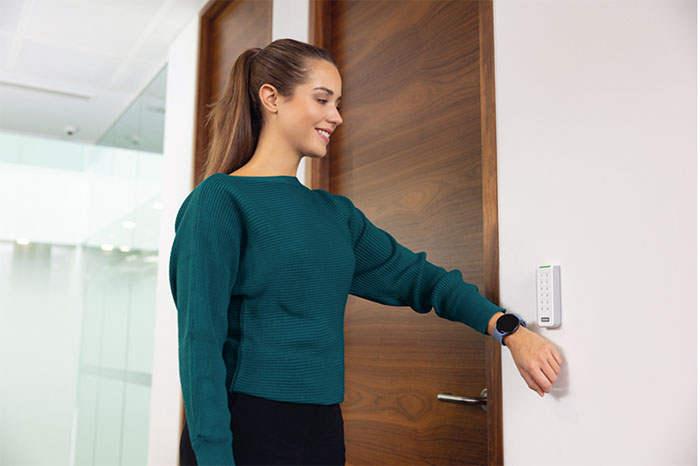
“Increasingly, employees and visitors expect the same convenience they get from their smartphones everywhere else – including work. Why should they carry both a phone and a separate access card? This expectation is particularly strong among younger employees, who view traditional key cards as outdated and inconvenient,” he adds.
The aesthetic awakening
“Sometimes the catalyst is as simple as realising that a 30-yearold reader looks out of place in a modern, professional environment. Organisations investing in updated office spaces often realise their access control technology should reflect the same attention to design and functionality.”
Smart building readiness
Finally, many organisations pursuing smart building initiatives discover that their legacy systems cannot integrate with modern building automation, energy management, or sustainability platforms. “When outdated physical access control systems become the bottleneck preventing occupancy- based HVAC optimisation or environmental reporting, migration becomes essential for meeting operational efficiency goals,” Barton concludes.





























 Sverige