



According to the researchers, growing worries about safety are one of the key reasons the home security market is expanding. With increasing incidents of burglary, theft, and vandalism, more homeowners are prioritising protection. Security cameras not only help discourage criminals but also capture vital evidence when needed. The ability to monitor a home remotely, whether from work, whilst travelling, or away on vacation, offers peace of mind and convenience, especially for families with children or elderly loved ones.
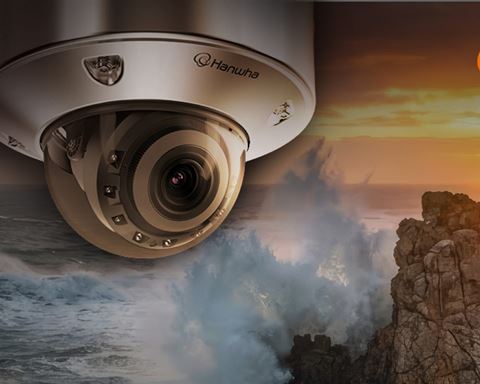
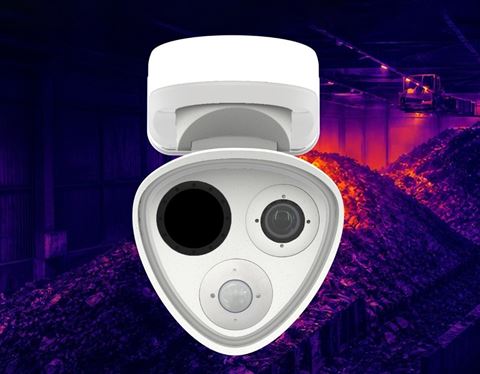
The latest technology has completely changed how smart security cameras work and how appealing they are. Today’s cameras come with AI features like facial recognition, motion detection, and automatic alerts, making them more effective and easier to use. With sharp 4K resolution and HDR, they capture clear, detailed video, even in low-light settings. Plus, new designs that are wireless and battery-powered make installation and upkeep much simpler, so more people can easily set them up and use them.
In addition, the integration of cameras with smart home ecosystems such as Amazon Alexa, Google Home, and Apple Homekit creates seamless, centralised control over all connected devices, further driving the adoption of smart home security cameras.
Rise of IoT
The authors suggest that the rise of IoT (Internet of Things) devices has played a big role in the growth of the home security market. As smart homes become more widespread, security cameras are now often part of a larger connected system that includes smart locks, lights, and alarms. These IoT-powered devices have also become more affordable over time, making it easier for average households to invest in and benefit from smart home security technology.
Regional dynamics are a key factor in shaping the home security market, with North America leading due to high disposable incomes and strong awareness of home security solutions. The Asia Pacific region is emerging as a promising market, driven by rapid urbanisation, smart city initiatives, and the growth of the middle class. Meanwhile, in Europe, strict data privacy regulations such as GDPR are fostering the development of secure and compliant home security systems.
Key players
According to the report, entitled, The Smart Home Security Camera Market (2026 -2033), marketing efforts and consumer awareness campaigns by brands such as Ring, Arlo, and Nest have been instrumental in educating consumers about the benefits of smart cameras. These companies utilise online platforms and targeted advertising to demonstrate the ease of use and advantages of their products, further driving market adoption.
The smart home security camera market is highly competitive, with a mix of well-known brands and newer companies all fighting for market share. Some of the major players include Vivint Smart Home, ADT, Simplisafe, Brinks Home Security, Xiaomi, Skylinkhome, Samsung, Frontpoint, Arlo, Wyze, Blink, Eufy (by Anker), and Ring. These companies offer a broad selection of smart home security cameras, catering to a wide range of consumer needs and preferences.
These companies are focusing on smart and connected technology integration, prioritising sustainability and energy efficiency, and expanding e-commerce and direct-to-consumer (D2C) channels to meet the evolving needs of consumers.















 Global